
Vitamin C — functions, amounts and sources
Vitamin C (ascorbic acid) is a water-soluble vitamin the human body does not make by itself — it has to come from food every day.

Why people take it
Vitamin C carries one of the broadest sets of permitted wordings under European regulation: normal collagen formation, normal immune function, protection of cells from oxidative stress, reduction of tiredness and improved iron absorption.
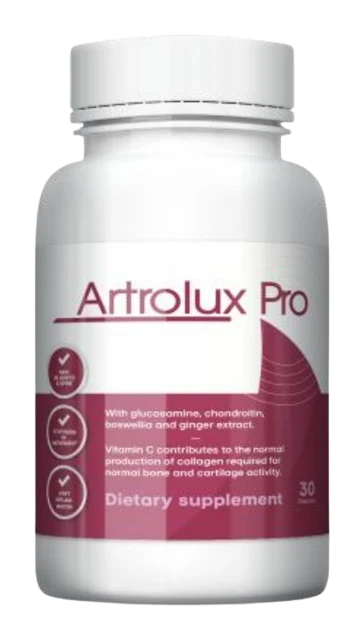
In joint formulas it usually appears precisely because of the collagen link: vitamin C contributes to normal collagen formation for the normal function of cartilage and bones.
Vitamin C is water-soluble and the body does not keep a reserve of it: part of a single large dose is simply excreted. In practice 500 mg twice a day therefore makes more sense than 1000 mg at once. For a sensitive stomach, buffered forms — ascorbates — are usually tolerated more gently than pure ascorbic acid. Vitamin C also improves the absorption of plant iron, which is why it often appears alongside iron formulas.
Permitted wordings and use
- Contributes to normal collagen formation for the normal function of cartilage and bones
- Contributes to the normal function of the immune system
- Contributes to the protection of cells from oxidative stress
- Increases iron absorption
Food sources
Rich sources in Georgia include rosehip, peppers, kiwi, citrus, cabbage and fresh herbs. Note that heat treatment partly destroys vitamin C.
Who should be careful
Large doses (above 1000 mg a day) may cause stomach discomfort. With a history of kidney stones, a doctor’s consultation is needed. Vitamin C may affect the results of some laboratory tests — tell your doctor you are taking it.
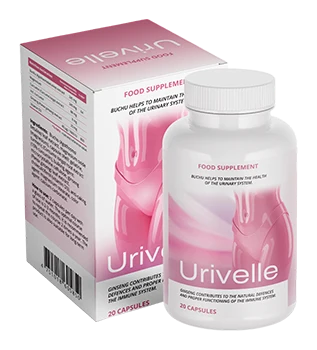
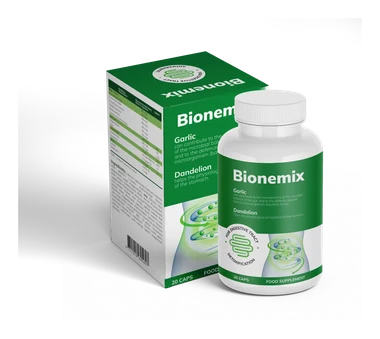
Products with this component
Frequently asked questions
How much vitamin C do I need a day?
The European reference intake for an adult is 80 mg a day. Smoking and stress increase the requirement.
Do natural and synthetic forms work the same?
Chemically it is the same molecule. A natural source additionally contains other compounds, which is its advantage.
Does a large dose protect against colds?
Regular intake shows a modest effect on illness duration in some groups, but "protection" is too strong a word. Very large doses do not increase the effect and irritate a sensitive stomach.
Related ingredients
Category: Joints and muscles, Men’s health, Carbohydrate metabolism, Digestive health
This product is a food supplement, not a medicine. It is not intended to diagnose, treat, cure or prevent any disease.
The information on this page is for reference only and does not replace a consultation with a doctor or pharmacist. Consult a specialist before use if you are pregnant, breastfeeding, taking medication or living with a chronic condition. Do not exceed the recommended daily dose. Keep out of reach of children.