
Collagen — types, forms and expectations
Collagen is the most abundant protein in the body — it makes up roughly a third of our protein mass. Collagen forms the structural framework of skin, tendons, bones and cartilage.

Why people take it
In supplements collagen is usually "hydrolysed": the protein is broken into short chains (peptides), which makes it easier to absorb.
In cosmetic products collagen plays a different role — it works on the surface of the skin as a hydrating component and does not "penetrate" into deeper layers.
In supplements collagen is almost always hydrolysed — broken into short peptides, because the whole molecule is practically not absorbed from the gut. It is worth reading the type on the label: types I and III traditionally appear in the skin and connective-tissue context, type II in the cartilage one. The body needs vitamin C to synthesise collagen, which is why many formulas combine the two. The usual daily amount is 5–10 grams, that is more than a teaspoon of powder — a dose hard to reach in capsules.
Permitted wordings and use
- Used in the nutritional support of skin, joints and connective tissue
- In cosmetics — as a hydrating component
- Often combined with vitamin C, which contributes to normal collagen formation
Food sources
Natural sources include bone broth, khashi, chicken skin and fish. Vitamin C in food contributes to normal collagen formation in the body.
Who should be careful
Collagen supplements are usually well tolerated. In case of allergy, consider the source: it may be bovine, porcine, fish or chicken. During pregnancy and breastfeeding a doctor’s consultation is needed.
Products with this component
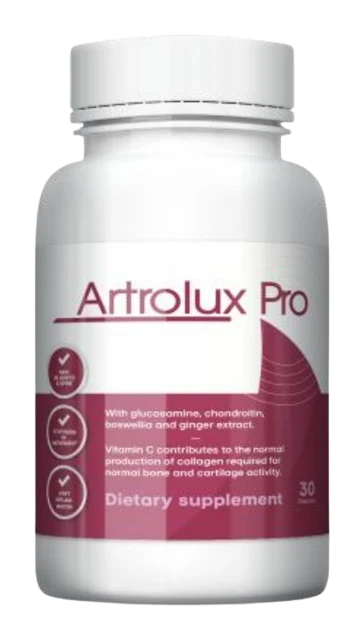
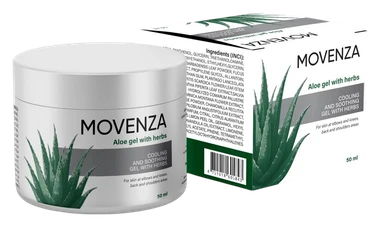
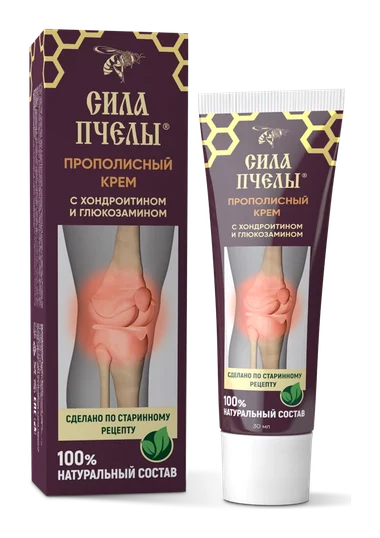
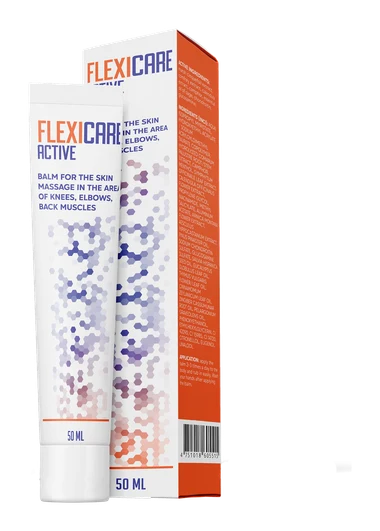
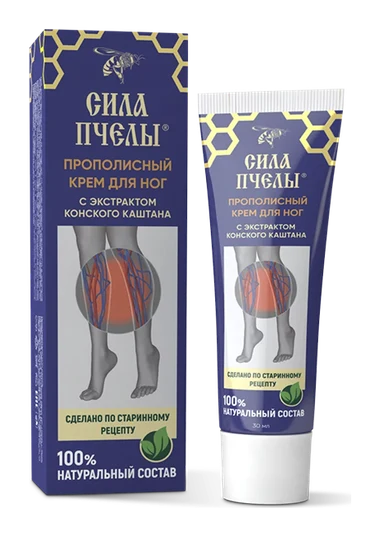
propolis cream
Bee Power Joint Cream
Bee products in a traditional recipe
Producer’s price
70 ₾ 140 ₾
Frequently asked questions
Which type is for joints?
Type II collagen is associated with cartilage tissue; types I and III with skin and connective tissue.
Powder or capsule?
It is a question of convenience. A powder usually carries a larger dose; a capsule is easier to take on the move.
Does collagen really "reach" the skin?
Ingested peptides are first broken down to amino acids, and the body distributes them at its own discretion — they do not slot directly into skin. It is therefore correct to speak of collagen as building material, not as targeted delivery.
Related ingredients
Category: Joints and muscles, Heart and vessels
This product is a food supplement, not a medicine. It is not intended to diagnose, treat, cure or prevent any disease.
The information on this page is for reference only and does not replace a consultation with a doctor or pharmacist. Consult a specialist before use if you are pregnant, breastfeeding, taking medication or living with a chronic condition. Do not exceed the recommended daily dose. Keep out of reach of children.