
Turmeric and curcumin — the spice and the extract
Curcuma longa
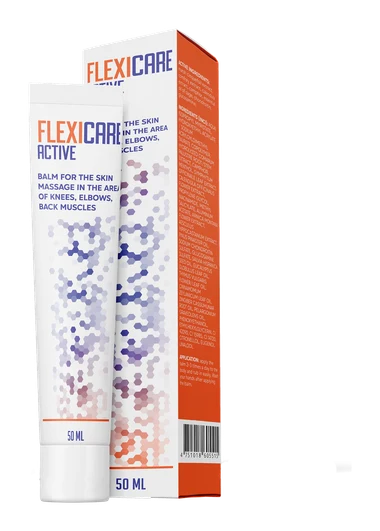
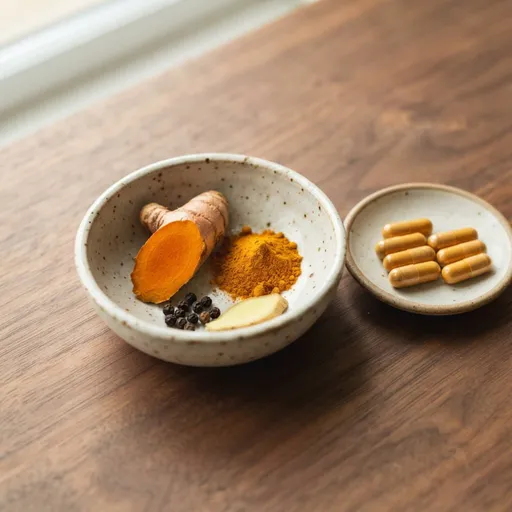
Turmeric (Curcuma longa) is a plant whose rhizome has been used in cooking for centuries. Curcumin is the yellow pigment of that rhizome — it makes up roughly 2–5% of dried turmeric.
Why people take it
On a label it matters to distinguish two things: "turmeric powder" and "turmeric extract with 95% curcuminoids". Those are very different concentrations.
Curcumin dissolves poorly in water, so many formulas add piperine (black pepper extract) or a fat base.
The main practical problem with curcumin is absorption: on its own it crosses into the blood poorly and is excreted quickly. That is exactly why formulas often add black pepper extract (piperine) or use liposomal and phospholipid forms. It is worth spotting the difference on the label: "turmeric root powder" and "standardised extract with 95% curcuminoids" are different things — in the second the concentration of active substance is ten times higher or more.
Permitted wordings and use
- Traditionally used in joint and digestive formulas
- Popular in topical care products
- In the kitchen — a traditional spice in many cultures
Food sources
Turmeric is used in cooking as a spice — in rice, soups and sauces. Its absorption improves alongside fat and black pepper.
Who should be careful
Turmeric extract is not recommended for people with gallstones, bile duct obstruction or on anticoagulants — a doctor’s consultation is needed. High doses are not recommended in pregnancy. Culinary amounts are not subject to this restriction.
Products with this component
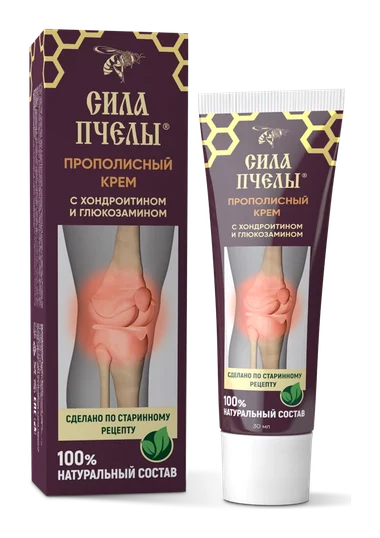
propolis cream
Bee Power Joint Cream
Bee products in a traditional recipe
Producer’s price
70 ₾ 140 ₾
Frequently asked questions
Are the spice and the extract the same?
No. The spice holds 2–5% curcumin; a standardised extract holds up to 95%. Those are entirely different concentrations.
Why is black pepper on the label?
Piperine, a component of black pepper, is frequently added to improve the absorption of curcumin.
Does kitchen turmeric replace an extract?
In the spice, curcumin usually makes up 2–5%, so a teaspoon delivers a few dozen milligrams. That is a pleasant part of the diet, but it does not match a standardised extract in amount.
Related ingredients
Category: Joints and muscles, Digestive health
This product is a food supplement, not a medicine. It is not intended to diagnose, treat, cure or prevent any disease.
The information on this page is for reference only and does not replace a consultation with a doctor or pharmacist. Consult a specialist before use if you are pregnant, breastfeeding, taking medication or living with a chronic condition. Do not exceed the recommended daily dose. Keep out of reach of children.