
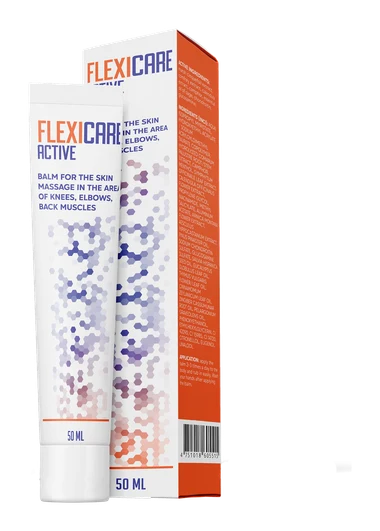
Glucosamine — an ingredient in joint supplements
Glucosamine sulphate
Glucosamine is an amino sugar produced naturally in the body and used as building material for connective tissue, including cartilage. In supplements it is usually sourced from the shells of crustaceans (shrimp, crab), although a vegan version made by corn fermentation also exists.

Why people take it
Glucosamine is one of the oldest and most common components in the joint category. It is usually paired with chondroitin — a combination that has been an industry standard for decades.
In supplements it appears in two main forms: glucosamine sulphate and glucosamine hydrochloride. The sulphate form is used more often in European products.
On the label, look at two numbers: the amount of active substance per serving and the number of servings per pack. The daily amount used most often in research is 1500 mg, frequently split into three doses. Glucosamine is not a component you feel on the first day — it is taken as a course and assessed after several weeks. The hydrochloride form is more concentrated by weight, that is, the same milligrams deliver more pure glucosamine than the sulphate.
Permitted wordings and use
- Traditionally used in the nutritional support of joints and connective tissue
- Frequently combined with chondroitin and vitamin C
- Used both in capsules and in topical formats
Food sources
Glucosamine is practically absent from food in meaningful amounts — it is mainly taken as a supplement.
Who should be careful
Glucosamine is not recommended for people with a seafood allergy — check the source on the label. A doctor’s consultation is needed if you take anticoagulants. Pregnancy, breastfeeding and age under 18 are contraindications.
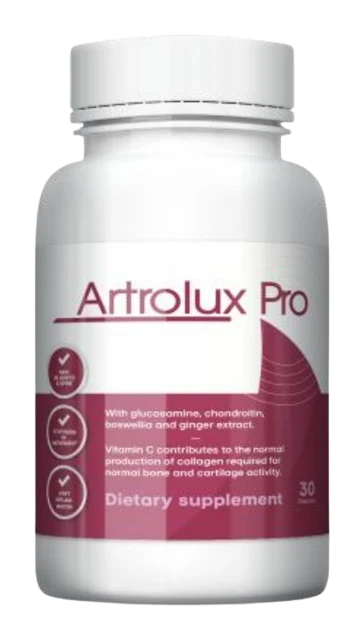
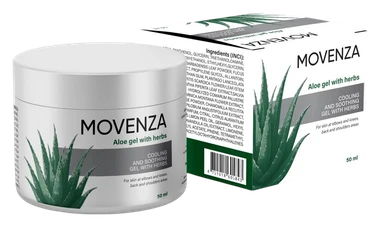
Products with this component
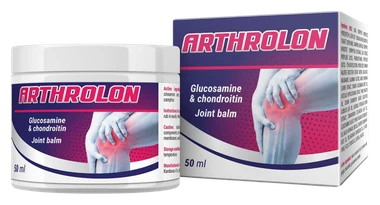
joint balm
Arthrolon
The two “joint” ingredients — now in a form you apply to the skin
Producer’s price
49 ₾ 98 ₾
Frequently asked questions
What is the difference between sulphate and hydrochloride?
They are two salts of the same compound. The sulphate form appears more often in European products; the hydrochloride is more concentrated by weight.
How long do people take it?
A usual supplement course runs one to three months, followed by a break and a review of the result.
Does glucosamine affect blood sugar?
Glucosamine is an amino sugar, yet at usual doses it does not meaningfully change blood glucose levels. With diabetes it is still worth agreeing the course with a doctor and keeping your usual self-monitoring during the first weeks.
Related ingredients
Category: Joints and muscles
This product is a food supplement, not a medicine. It is not intended to diagnose, treat, cure or prevent any disease.
The information on this page is for reference only and does not replace a consultation with a doctor or pharmacist. Consult a specialist before use if you are pregnant, breastfeeding, taking medication or living with a chronic condition. Do not exceed the recommended daily dose. Keep out of reach of children.