
L-carnitine — function and realistic expectations
L-carnitine is an amino-acid-like compound the body produces itself from lysine and methionine. Its role is to transport fatty acids into the cell’s mitochondria, where they are turned into energy.

Why people take it
That transport function is frequently mistranslated in advertising as "fat burning". In reality carnitine is only a carrier — it does not create an energy deficit and does not change the calorie balance.
A healthy person who eats meat practically never has a carnitine deficiency — the body produces it as well.
The body makes L-carnitine itself from lysine and methionine, and in food it comes mainly from red meat — which is why intake is naturally lower on a vegetarian diet. Supplements use two main forms: L-carnitine tartrate, seen in the physical-activity context, and acetyl-L-carnitine. An important nuance: carnitine is a link in fat transport, not a "fat burner" — without an energy deficit it does not by itself produce a change in weight.
Permitted wordings and use
- Participates in the transport of fatty acids into the mitochondria
- Widely used in sports nutrition products
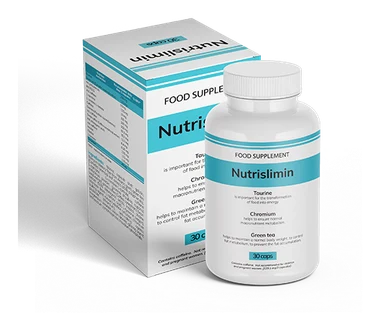
- Appears in weight-control formulas as an additional component
Food sources
The richest source is red meat. It is also found in chicken, fish and dairy. In a vegetarian diet the amounts are lower.
Who should be careful
With kidney disease, take it only under medical supervision. High doses may cause stomach discomfort and a specific body odour. Pregnancy and breastfeeding require a doctor’s consultation.
Products with this component
capsules
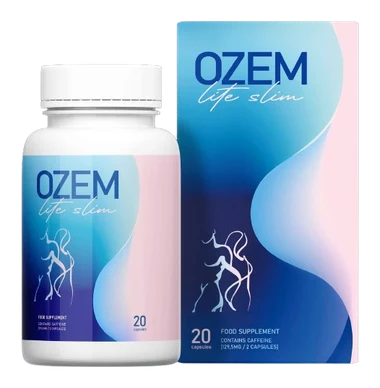
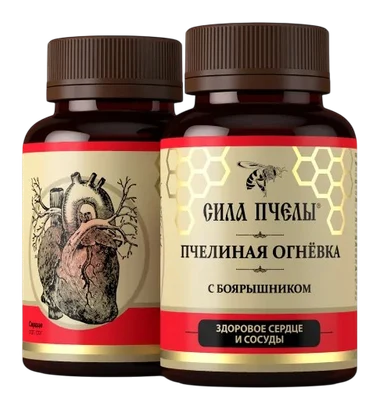
Bee Power Cardio
Hawthorn and bee products in a traditional formula
Producer’s price
70 ₾ 140 ₾
capsules
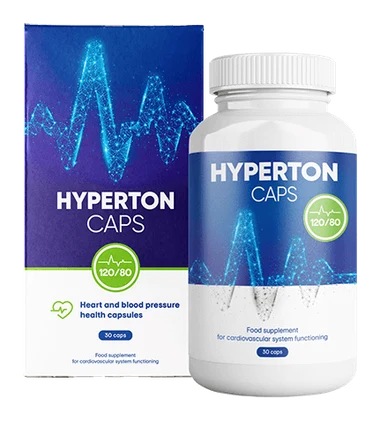
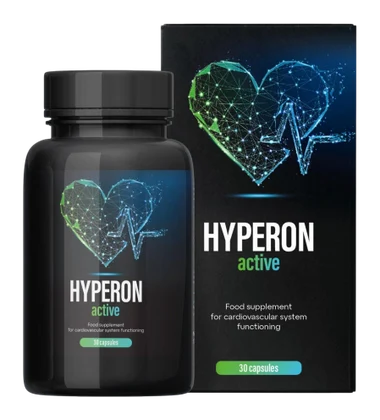
Hyperton Caps
Two minerals and one amino acid for the heart’s daily work
Producer’s price
49 ₾ 100 ₾
Frequently asked questions
Does L-carnitine burn fat?
No. It carries fatty acids but does not itself break down fat and does not change the calorie balance.
Who might have a deficiency?
Deficiency is rare and usually linked to genetic conditions or chronic kidney disease.
Does carnitine work without exercise?
Carnitine’s role is to move fatty acids into the cell. If the body does not need the energy, that transport has nothing to use — so its place is alongside movement and diet, not instead of them.
Related ingredients
Category: Weight control, Heart and vessels
This product is a food supplement, not a medicine. It is not intended to diagnose, treat, cure or prevent any disease.
The information on this page is for reference only and does not replace a consultation with a doctor or pharmacist. Consult a specialist before use if you are pregnant, breastfeeding, taking medication or living with a chronic condition. Do not exceed the recommended daily dose. Keep out of reach of children.