
Zinc — functions, dose and sources
Zinc is a trace element involved in the work of hundreds of enzymes in the body. It is essential for the normal function of the immune system, skin, hair and the reproductive system.
Why people take it
Zinc is one of the rare components with an established wording under European regulation in the men’s health context: it contributes to the maintenance of normal testosterone levels in the blood.
The recommended daily intake is around 10–11 mg for an adult man and 7–8 mg for a woman.
Zinc and copper use the same transport route, so taking zinc long-term at high doses pushes copper levels down — which is exactly why many good formulas include a small amount of copper. Taken on an empty stomach it often causes nausea, while with food that practically disappears. Again, read the amount of elemental zinc on the label; citrate, picolinate and bisglycinate are usually absorbed better than oxide.
Permitted wordings and use
- Contributes to the maintenance of normal testosterone levels in the blood
- Contributes to the normal function of the immune system
- Contributes to normal fertility and reproduction
- Contributes to the maintenance of normal skin, hair and nails
Food sources
Good sources include meat, liver, eggs, pumpkin seeds, legumes and cheese. Zinc from animal sources is absorbed better.
Who should be careful
Long-term excess zinc intake (above 25 mg a day) interferes with copper absorption. If you take a multivitamin with zinc and a separate zinc supplement, consider the total. With some antibiotics an interval is needed.
Products with this component
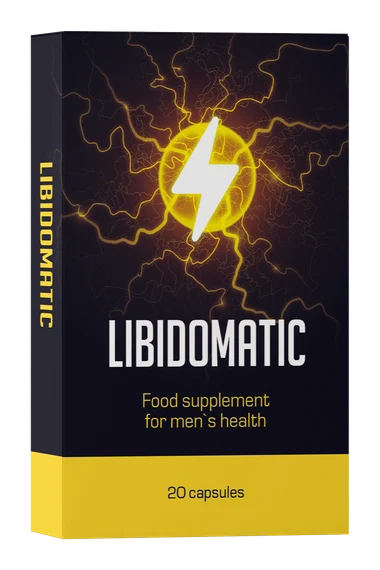
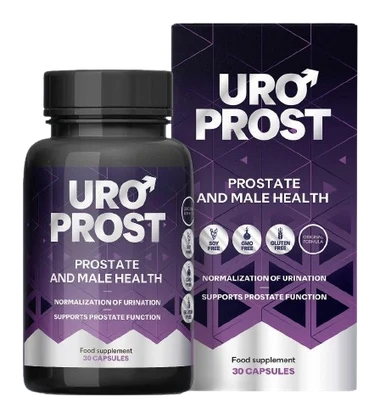
capsules
UroProst
A quiet night begins where bathroom trips stop waking you up
Producer’s price
49 ₾ 98 ₾
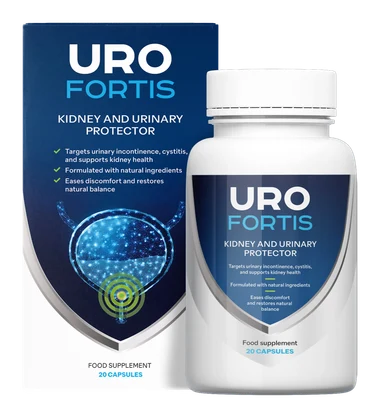
capsules
Uro Fortis
Vitamins, minerals and plants — everyday support for the urinary system
Producer’s price
49 ₾ 98 ₾
Frequently asked questions
How much zinc do I need a day?
Around 10–11 mg for an adult man and 7–8 mg for a woman. Supplements often carry a higher dose.
Can I take zinc continuously?
Long-term high-dose intake is not recommended because of its effect on copper absorption. Taking it in courses is the more common practice.
Does zinc speed up recovery from a cold?
Zinc takes part in the normal function of the immune system, but that does not mean a capsule kills a virus. Taking high doses for a long time is not safe — the amount to use is stated on the label and exceeding it is not worth it.
Related ingredients
Category: Men’s health, Carbohydrate metabolism
This product is a food supplement, not a medicine. It is not intended to diagnose, treat, cure or prevent any disease.
The information on this page is for reference only and does not replace a consultation with a doctor or pharmacist. Consult a specialist before use if you are pregnant, breastfeeding, taking medication or living with a chronic condition. Do not exceed the recommended daily dose. Keep out of reach of children.